
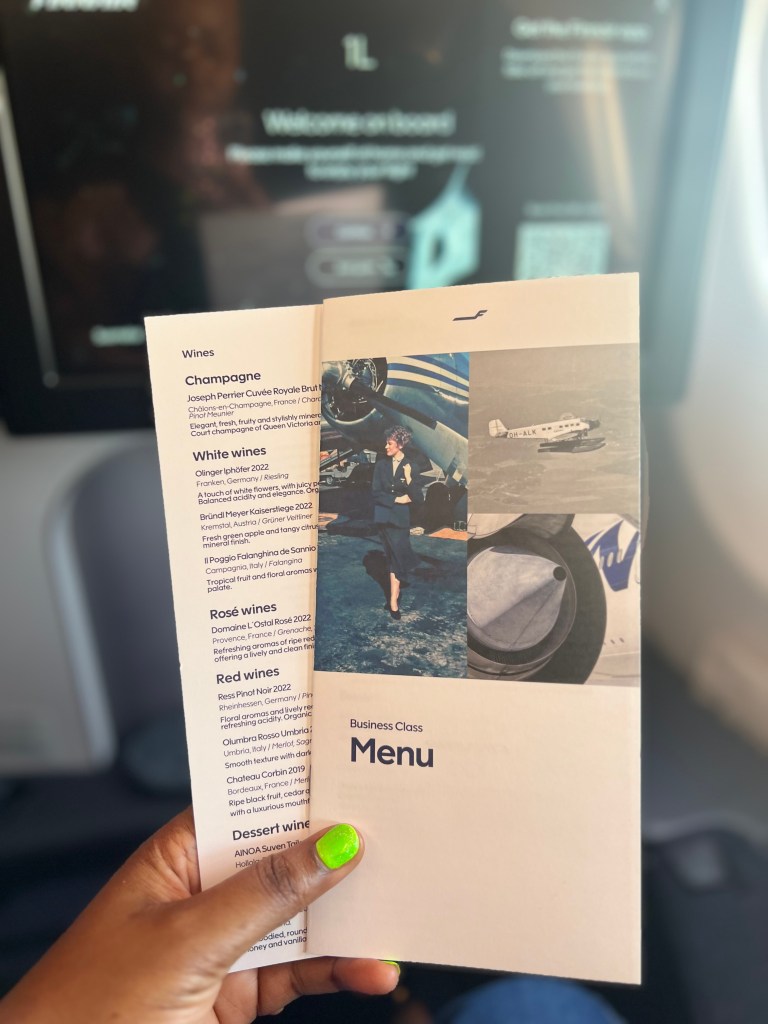
Flying is hard. Now imagine flying while handing out sandwiches, soothing crying babies, enforcing seatbelt laws like a law enforcer, and still smiling as if you mean it. Welcome to the mental Olympics of the cabin crew life.
Let’s get one thing straight: being a cabin crew isn’t just only about looking glamorous in a tailored and well pressed uniform while rolling a suitcase through the Airport Terminal as if you’re on a runway. Oh no my dear. It’s a delicate dance of diplomacy, disaster preparedness, and emotional endurance, all performed in a metal tube traveling at super speed, 42,000 feet in the air, filled with strangers who’ve lost the will to follow basic instructions.
Mood Management: Smiling While on Fire Emotionally
Passengers expect you to be cheerful, helpful, and composed, even if:
-You’ve just worked a red-eye flight with a toddler who kept playing Baby Shark dudududududududu—on repeat.
-Someone in 28D spilled red wine on your only clean shirt.
-Infligh WiFi is out of service, and now a businessman in 1A is experiencing the five stages of grief in real time.
Cabin crew are trained to regulate their emotions so well they could win Oscar awards. “Emotional labor,” psychologists call it. “Sky heroes,” I call it.
Situational Awareness: The Sixth Sense of Sky Service
A good cabin crew member can sense:
- A passenger about to faint before they even know they’re about to faint.
- Someone sneaking a forbidden bathroom visit during a turbulence weather.
- A child plotting to kick the seat in front of them with vengeful precision.
They have the observational powers of a mother on guard , the reflexes of a cat, and the diplomacy of a U.N. ambassador. All while pretending not to notice that the guy seated at 36K is definitely watching something NSFW on his phone.
Conflict Resolution: Airborne Referees
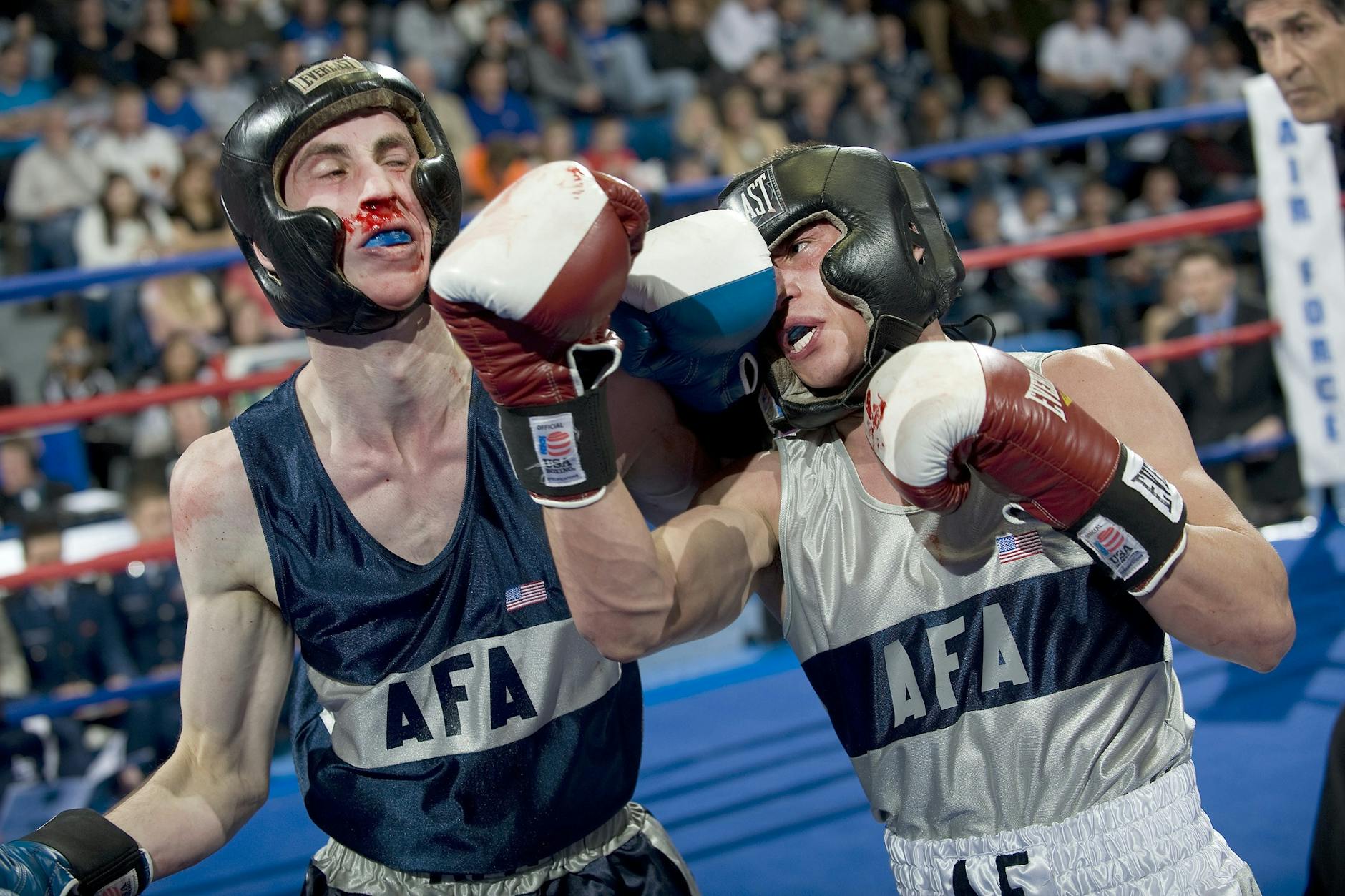
Cabin crew routinely diffuse inflight tension that would make couples therapy look like a spa day therapy session.
Some real-life scenarios that are very common:
-Two passengers fighting over the middle armrest like it’s a championship belt. Really? Yes really! It happens quite a lot.
-Someone loudly explaining why masks as a station requirement are a government conspiracy, while sitting six inches from a stranger.
-A person refusing to switch their phone to flight mode mode because “it’s never that serious.”
Cabin crew handle it all with calm voices, neutral expressions, and internal monologues that probably sound like, “Not today, Ken-Karen. Not today.”
Memory Mastery: The Brain of an Elephant on Caffeine
They remember:
- Which passenger asked for ginger ale with no ice and one with decaffeinated coffee with crushed ice and room temperature water.
- Where the vegan meal went, whom it’s for and the time they’d like to have it.
- Who pressed the call button because their overhead bin light wasn’t working… five rows back.
Meanwhile, half the plane can’t remember how to use a seatbelt despite a literal demonstration just barely minutes ago.
Time Travel: Jet Lagged but Still Mentally Present
Time zones? Forget about it. Cabin crew live in a parallel universe where breakfast is dinner, lunch is a midnight snack, and Wednesdays happen twice or thrice.
You wake up in Nairobi, eat lunch in Auckland , and go to bed in Bangkok, but your body still thinks it’s Monday in Doha. Yet somehow, you’re still supposed to smile and say, “Chicken with vegetable curry, Beef with potato gratin or Pasta rigatoni with parmesan cheese?” Then someone will say, “Give me fish.”
Fear Detection and Passenger Psychology

Cabin crew are part-time psychics. They know who’s afraid of flying before that person has even buckled their seatbelt. Their toolkit includes reassuring smiles, calm body language, and the phrase, “Turbulence is a completely normal thing” said in seventeen different soothing tones.
They’ve also mastered reading passenger types:
- The Parrot: Will narrate their entire life story unless you escape with the drinks cart.
- The Sloth: Head back, mouth open, drooling on your emergency exit demo.
- The Worry Worrior: Asks if the wing is supposed to do that every ten minutes.
- The Ken-Karen: Threatens to report crew to management, and demands to speak to Captain since they were informed chicken was no more, then demands a free upgrade to business or first class.
Final Boarding Call: Not Just Coffee and Cart Wheels
So, the next time a flight attendant greets you with a smile, remember that they’re not just there to hand you grissini and a bruschetta. They’re trained crisis managers, security officers, psychologists, health responders, and admirable patience champions. The friendly face you see in the aisle? It’s powered by caffeine, resilience, endurance and enough psychological training to write a dissertation on human behavior at cruising altitude.
Being cabin crew is like being in a reality show where the prize is survival, and the challenges include serving drinks in turbulence, locating someone’s lost passport, and convincing adults to use a seatbelt.
Respect the uniform. Treat them with kindness. And please, for the love of the sky gods, don’t clap when the plane lands. If you know you know.
https://srinivaspublication.com/journal/index.php/ijmts/article/view/1720/712
 A rose 🌹 a day...