
Let’s take a moment to appreciate the unsung hero of the skies, not the overcaffeinated captain or the passenger in 16G who packed a turkey sandwich, but aviation psychology.
Yes my dear, there’s an entire field of science dedicated to understanding why cabin crew and pilots do what they do, how air traffic controllers keep calm in both organised and disorganised chaos, and why some passengers suddenly decide mid-flight that now is a great time to try and open the emergency exit, or be a hero mid flight during an emergency.
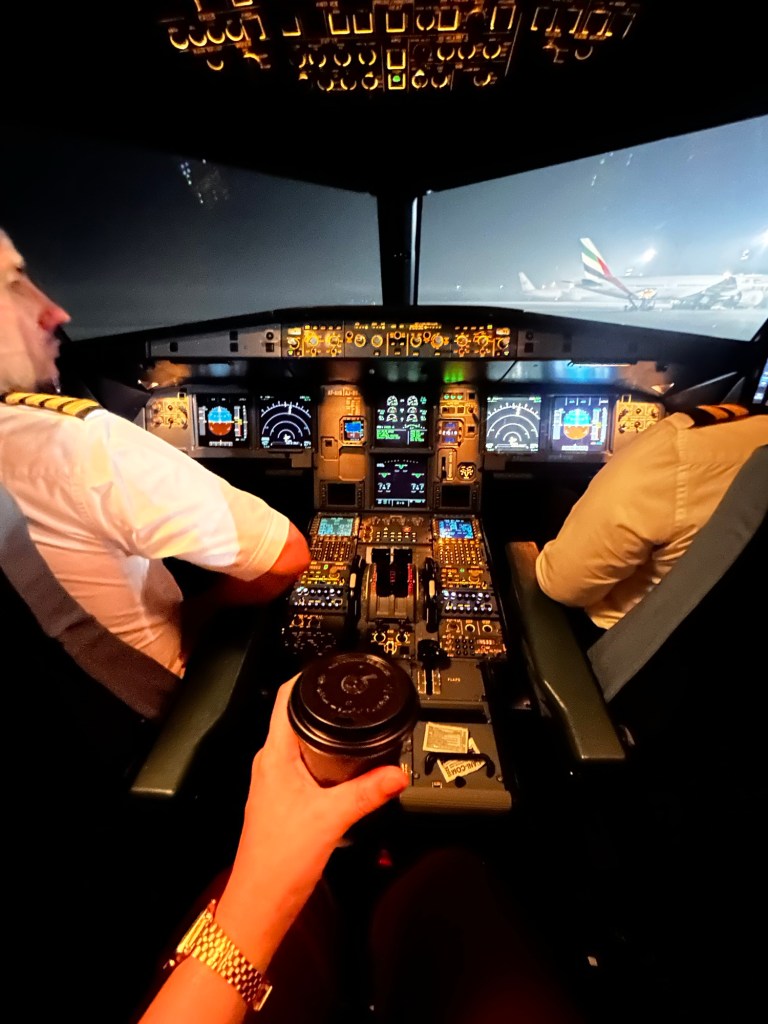
What Is Aviation Psychology?
Aviation psychology is the brainy copilot behind safer skies. It’s the discipline that investigates human behavior and mental processes in aviation environments. Think of a therapy session with a psychologist that doesn’t sit you on a couch, but rather in a cockpit simulator while measuring your reaction time under stress.
Aviation psychologists study how pilots and cabin crew make decisions, how both crew members communicate or fail to, how fatigue plays with memory, and how design quirks in aircraft can turn a mild inconvenience into an in-flight soap opera. If you’ve ever wondered who’s behind all those “crew resource management” manuals, look no further.
The Human Factor: Still the Biggest X-Factor
In aviation, the term “human error” is as common as the chilled champagne in business or first class cabin. Despite our highly automated flying machines, most aviation accidents still have a human at the end of it. It’s not because pilots or cabin crew are reckless; but because they’re human, and humans, as charming as we are, we come with all sorts of unpredictable baggage, both personal and professional. Stress, distraction, overconfidence, and an unrelenting need to check if the autopilot is “really” on are some of the occupational hazards.
Aviation psychologists are obsessed, believe me, in the healthiest possible way, with understanding these situations. Why did that experienced pilot or cabin crew ignore a warning light? Why did two crew members miscommunicate during a checklist? Why did that passenger bring a full-blown emotional meltdown onboard at 43,000 feet?

Let’s not forget: pilots aren’t just steering expensive metal birds, they’re doing so while navigating weather, managing fuel, decoding air traffic control instructions, and still remembering where they parked their car at the airport. It’s cognitive multitasking on steroids at best.
Cabin crew on the other hand are navigating their own checklists from preflight checks, conducting safety and security search on all the seats and hidden compartments in the cabin, counting their equipments making sure they are accessible, serviceable and available. Inflight, making sure there is peace in the cabin from dealing with unruly passengers, intoxicated customers, attending to medical emergencies while at the same time keeping a 5 star smile to hide the turmoil within.
Aviation psychologists analyze how attention, workload, and stress affect performance. They’re the reason your captain has mandatory rest times and your cabin crew gets trained to respond to emergencies with the cool detachment and a personalised groomed expression, making you feel home away from home.
Air Traffic Controllers: The Unsung Jedi
If pilots and cabin crew are the visible tip of the aviation iceberg, air traffic controllers are the submerged force keeping it from crashing into the skyline abyss. Controllers manage hundreds of flights with laser focus and quick decision-making, while seated. Imagine that!
It is the duty of Aviation psychologists to ensure these mental athletes are screened for the right personality traits and trained to manage fatigue, stress.
Cabin Crew and the Psychology of “Please Remain Seated”
Flight attendants are not just there to serve drinks, they’re safety officers, de-escalation experts, and therapists for sky-frazzled passengers. Aviation psychology plays a huge role in training them to handle medical emergencies, conflict resolution, and that one guy who still won’t turn off his phone, or put it on flight safe mode prior to takeoff.
Final Descent
So the next time you fly, remember there’s a whole psychological science silently at work behind your smooth landing. Aviation psychology is what keeps our skies not just safe, but also human. It’s the field that listens when minds wander to who knows where at 40,000 feet, and helps steer them gently back to the land on Earth.
And if you ever find yourself seated next to an aviation psychologist, don’t worry, they’re not analyzing you. Well… probably. But who knows?
 A rose 🌹 a day...