
Why Fear of Flying is More About the Mind Than the Frequent Flyer Club
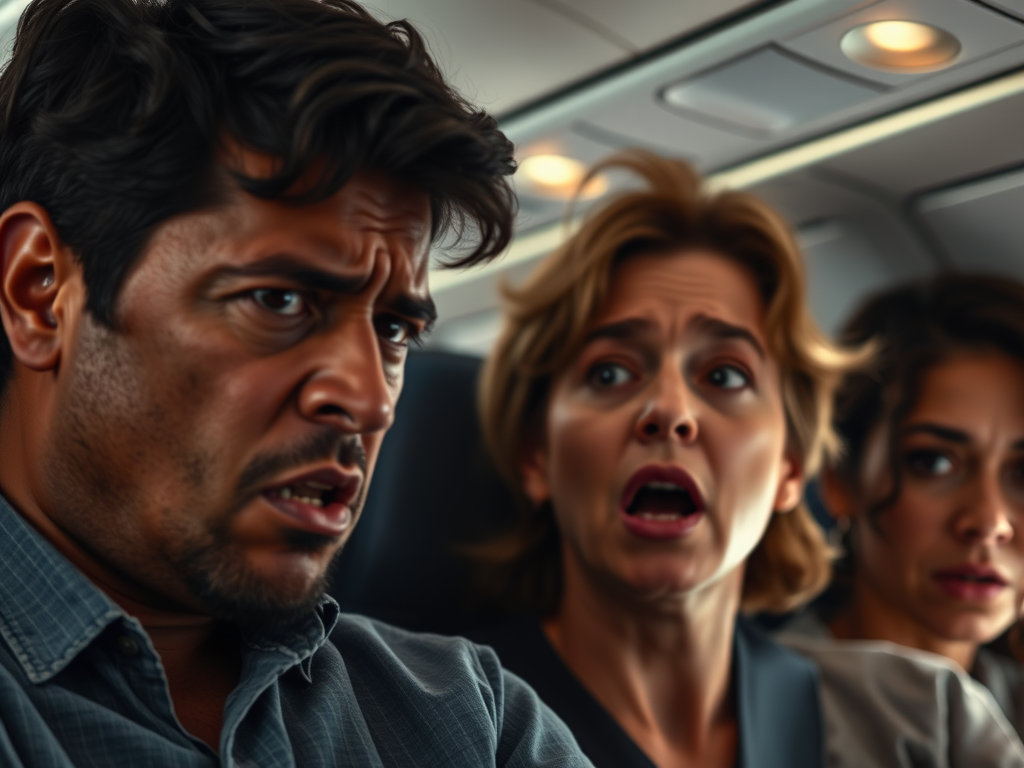
Let’s be honest about one thing, flying in a commercial airplane is one of the most incredible things we do without giving it much credit. You’re 40,000 feet in the sky, traveling faster than your Wi-Fi can keep up, seated in a metal cylinder supported by the miraculous forces of aerodynamics and a small glass of champagne flute resting between your fingers. And yet, for many people, the only thing taking off faster than the aircraft is their anxiety.
This fear of flying, officially called aviophobia, isn’t just a quirky preference for staying on the ground. It’s a psychological experience shaped by your brain’s deep love of drama, and dislike for uncertainty. Even when you know, rationally, that flying is the safest mode of transportation as compared to others, your inner homosapien brain just doesn’t care, or fathom that reality. It hears a strange rumbling sound during takeoff and immediately assumes the plane is about to impact into the nearest mountain.
The root of this fear often lies in how our brains handle control, or rather, the lack of it. When you’re on a plane, you’re not the one steering, leading, directing, or even making decisions on where to turn. You’re entrusting your life to two or more people in the cockpit who you may never see, the cabin crew who are people you’ve never met, and a physics textbook you haven’t opened since your high school days. That sensation of helplessness creates a vacuum where anxiety thrives very well. If you’re the kind of person who grips the armrest like it’s a parachute ripcord, ding! Ding! You are the one I’m talking about.
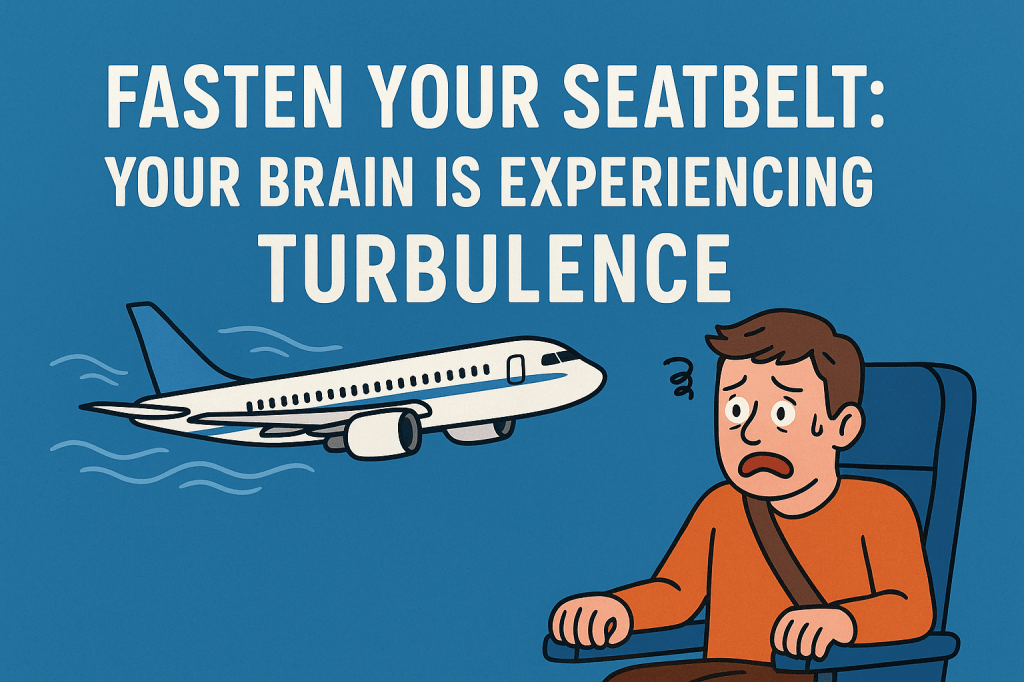
Then there’s turbulence. The word alone can send nervous flyers to break a sweat, but the reality is far less dramatic than your brain makes it out to be. Turbulence is simply the sky’s version of a bumpy potholed road. Aircrafts are built to handle far more violent weather conditions than what passengers typically experience, and both cockpit crew and cabin crew treat it like a minor inconvenience as if it were a fleeting passing moment not to be feared. Meanwhile, in the 12th row, someone is making peace with their creator, while the cabin crew calmly continue pouring drinks as if they’re tending bar in a bounce house, and another insisting that you fasten your seatbelt.
Of course, the running noise from the engine doesn’t help at all. Every click, clunk, or hydraulic whine can sound like the prelude to a disaster movie. However, most of these clinks and clanks are entirely normal, that is the landing gear being retracted, wing flaps adjusting for thrust or the air conditioning recycling the air. Planes are basically noisy by nature, and to a trained ear, those sounds are simply the aircraft doing its job as it should. However, to a nervous traveler, they’re all suspicious sounds.
So what can you do when your anxiety starts running pre-flight checklists for an apocalypse? First, give your brain a little enlightenment and encouragement. Understanding how a flight works, and why planes don’t just fall out of the sky, why turbulence isn’t always dangerous. Such information can take away some of the mystery, and with it, the fear as well. Practicing deep breathing and mindfulness can help a great deal too. It sounds cliché, I know, but believe me, when you’re focused on your breathing instead of catastrophizing, your mind starts to recalibrate. Talking about your fear helps too. Most of the time, you are not alone. Cabin crew are trained to assist nervous flyers, and just hearing someone say “You’re okay, I’m here for your safety and comfort” can make all the difference in the world.
At the end of the day, fear of flying is not irrational but rather, it’s emotional. It’s your brain trying to protect you in the worst possible way: by convincing you that you’re in danger when in actuality, you’re not. Multitudes of people have faced that fear and made peace with it. Some even grow to enjoy flying along the way, once they realise it’s not a death trap but a very fast, very loud, very big metal bus with large engines floating in the sky.
So the next time your brain starts spiraling mid-flight, remind it that statistically, you’re in one of the safest places anyone could be. Breathe in, sip your champagne, and repeat the magic words: “The plane’s got this. The cockpit and cabin crew have your back, so relax, drama brain.”
 A rose 🌹 a day...