
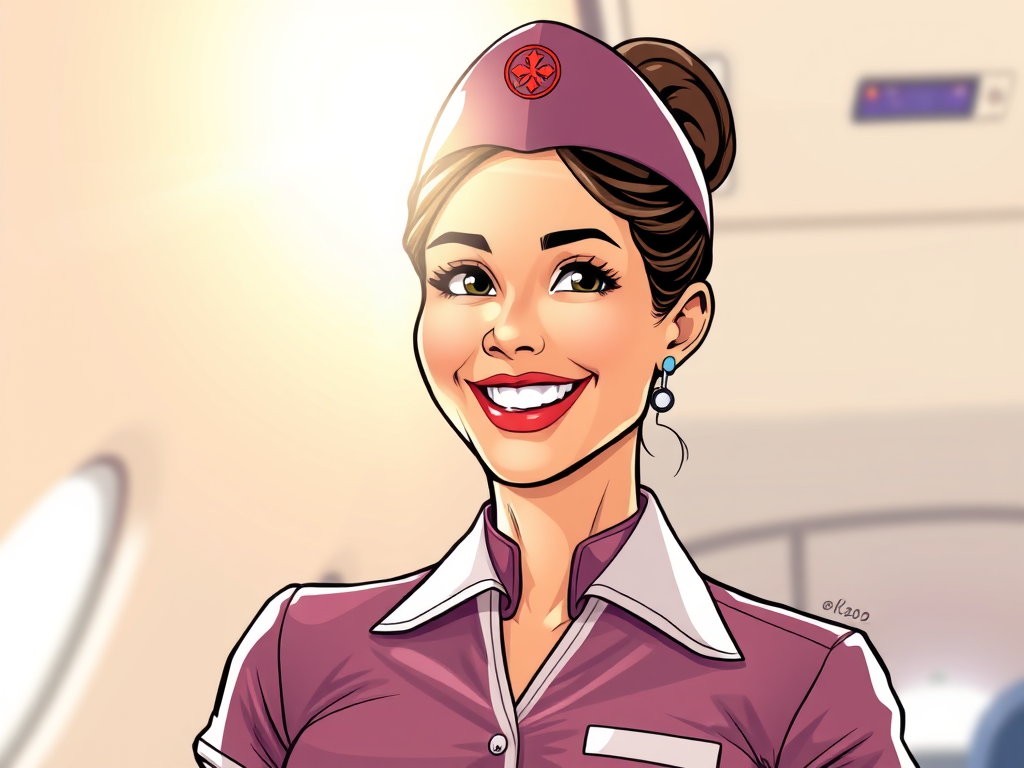
There are two types of people in the world: those who panic when the coffee machine at work is broken, and those who can keep 200 strangers calm while a smoke detector goes off at 40,000 feet. Cabin crew definitely belong to the second category, can’t argue with that!
Welcome to the sky-high world of decision-making under pressure, where the stakes range from “Should I serve the poultry meal choice first?” to “Is that smell the smell of fuel?”
What makes these high-flying pros so good at making lightning-fast decisions while others need at least 10 minutes just to pick a Netflix show? (TBH, I’m the latter too heehe!) Let’s take a look inside the mind of a Cabin Crew members internal mental drive in crisis mode.
Stress where? Meet Cognitive Overdrive.
When a passenger suddenly slumps over in 28B or turbulence shakes the plane like a snow globe, the average passenger’s brain screams, “PANIC!” However, for flight attendants, it’s merely “Time for that Emmergency Checklist!”
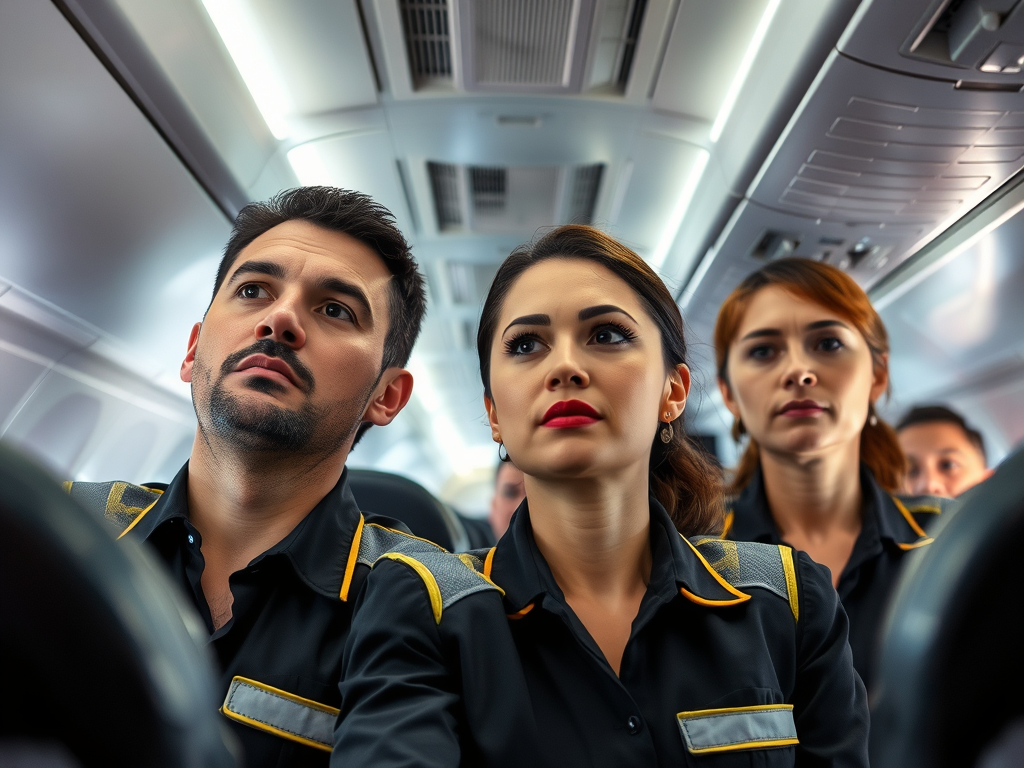
Flight attendants brains have been trained to switch to cognitive overdrive; a state where information is processed faster, and instincts sharpen. It’s the same reason they can remember 20 safety procedures without batting an eye, but struggle to remember whichever bag you put in the overhead bin. A common one would be to ask a cabin crew “which day of the week it is?” Thursday? Tuesday?
I kid you not. This is a true story.
Even so, this decision-making superpower isn’t magic at all; it’s muscle memory, built on hours of training. Before they ever walk the aisle, flight attendants practice handling fires, medical emergencies, and unruly passengers in a controlled environment. The only thing they don’t practice? Keeping a smile on when a passenger complains that the soda is “flat.”
Fight, Flight, or ‘First Response’?
Under extreme stress, the human brain usually has three options: fight, flight, fawn, or freeze. Cabin crew, however, have a fifth mode: “First Response.” This isn’t just a choice but a conditioned reaction.
Imagine this situation: a smoke alarm in one of the lavatory is blaring. Panic? Nope. A trained flight attendant is already doing the following:
- Grabbing a fire extinguisher.
- Checking the situation with a controlled urgency, aka “calm sprinting”.
- Communicating with the flight deck using coded language.
- Reassuring passengers with a voice that sounds like nothing is wrong.
To the untrained eye, it’s heroic. To them, it’s Checklist Monday.
However, what makes this even more impressive is the split-second decision-making going on beneath the surface. Do they alert the flight deck immediately or check the lavatory first? Do they discharge fully a fire extinguisher or just several puffs? Who has been injured in the process? Are there other equipments around the area to be salvaged like the oxygen bottle, which can intern amplify the fire? Their brains are doing a speed run of an emergency operational manual while maintaining a face that says, “It’s all under control.”
The Science of Staying Cool
So what keeps them from turning into a ball of anxiety under pressure? Several factors of course.
Training and Drills: Cabin crew know the manuals backward and forward. Emergencies become complex puzzles instead of unknown monsters after a while.
Mental Compartmentalization: They’re pros at separating emotions from action because panic is a luxury they can’t afford.
Prioritization: In a crisis, they instantly know which problems to tackle first. Smoke in the galley? Handle it before you worry about the beverage with bar or meal cart.
Peer Support: They aren’t alone. A well-trained team can communicate with just a look, and maybe a raised eyebrow. C for chicken, B for beef and Green for veg.
Nonetheless, here’s a little secret: even the coolest, calmest flight attendant has an adrenaline dump when the crisis is all over. They’re just really, reeeally good at hiding it.
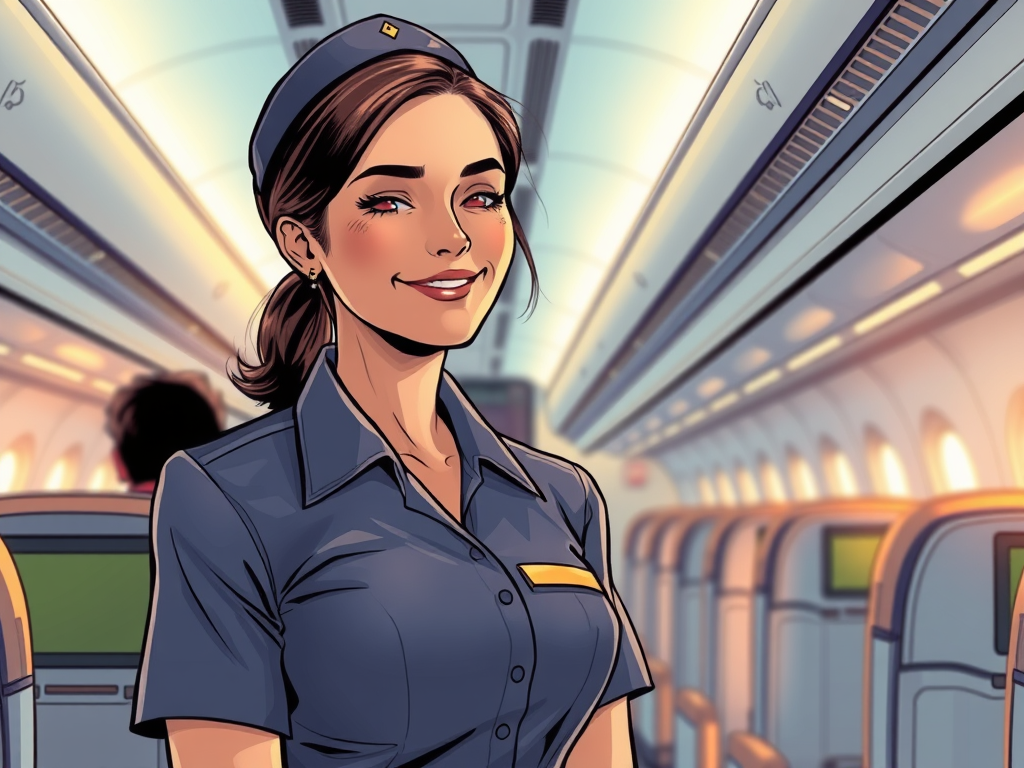
When Pressure Hijacks the Mind
Of course, no one is a robot (except maybe the autopilot). Even the best-trained crew can experience decision fatigue, where too many choices in a high-stress environment lead to mental overload.
Ever tried picking a snack after a stressful day? Now imagine trying to pick the right medical response protocol while a passenger turns blue. Yeah. Not a pleasant sight.
In extreme scenarios, the stress can cause cognitive tunneling, where the brain gets stuck focusing on one thing and misses the bigger picture. For example, a crew member might be so focused on getting an automated external defibrillator that they forget to alert the flight crew, something their training is designed to prevent. CRM.
Relax dear. That’s where teamwork comes in. Cabin crew rely on each other to spot blind spots, correct mistakes, and occasionally remind each other to remember to breathe.
Beyond Crisis Mode: The Aftermath
What happens once the crisis is over and the flight goes back to quiet movie-watching and snack-crunching? For most passengers, it’s just a good witnessed story. For the crew, it’s a mental recovery mission.
Adrenaline leaves the body like an awkward party guest, for it goes out slowly, taking the good vibes along with it. Cabin Crew may feel drained, shaky, or emotionally off, all while they continue to smile and serve your “flattened coke”.
And, here’s a kicker. They often have to keep making decisions even after the crisis is managed, but now they’re doing it with a fatigued brain. Welcome to the stress hangover, where the real danger isn’t the emergency but the mental fog that follows after.
What Can We Learn from These Sky-High Superheroes?
If you want to make better decisions under pressure, take a page from the cabin crew playbook:
Train Like It’s Real: Practice doesn’t just make perfect, but makes pressure manageable.
Trust your Team: Two heads are always better than one, especially when one’s panicking.
Breathe, Compartmentalize and Prioritize: If it can’t be solved in 30 seconds, it can always wait.
Debrief and Defuse: After the crisis, talk it out. Emotions can’t stay in the overhead bin forever.
Next time you’re on a flight and the crew looks impossibly calm as the aircraft bounces through turbulence, remember that they’re not unshakeable, but experts staying cool, even while the cabin’s heating up.
 A rose 🌹 a day...