

Let’s face it people! Airlines are marvels of modern coordination. A symphony of physics, logistics, a lot of caffeine, and polite-yet-firm “please return to your seats.” However, if there’s one thing as complex as keeping an aircraft in the sky, it’s getting all stakeholders, especially airline unions to rally around a unified learning culture.
So, how do we engage the lifeblood of airline operations, the cabin crew, the deck crew, the unsung heroes in snazzy uniforms, to embrace learning not just as a regulatory checkbox, but as a shared pursuit?
First things first… Let’s Talk Turbulence: The Challenge of Engagement
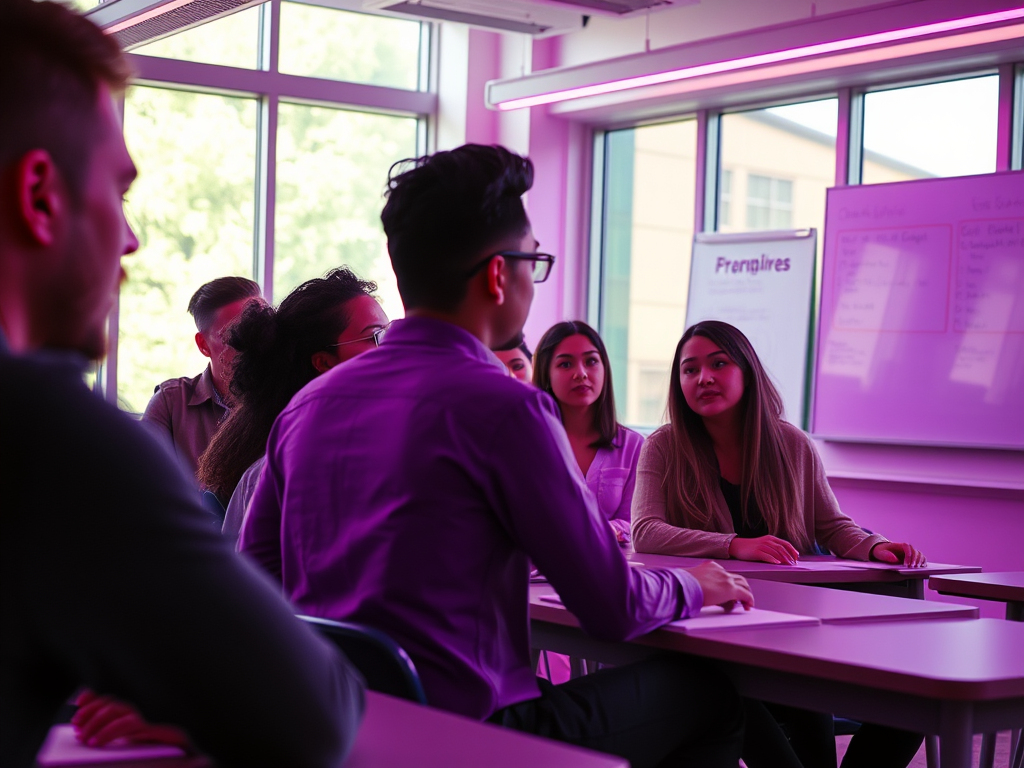
Airline crew unions have a simple job with a complex backdrop: protect their members’ interests while navigating the shifting winds of safety, performance, and…. Yes! Endless corporate change management initiatives applied every waking day. Honestly, it feels like a slap in the face sometimes!
You want to introduce continuous learning across operations? Be ready for some really high raised eyebrows and the occasional, “Is this even relevant?” look. The good news is with the right approach, one can turn that skepticism into full-throttle buy-in.
Don’t Just Broadcast But Tune In
You wouldn’t fly with the radio off, so don’t engage unions without listening first. Meaningful engagement begins with understanding and applying empathy to crew concerns:
- Is it more work with no gain?
- Is the learning relevant to their lived experiences or day-to-day challenges?
- Does it feel like a trick performance trap or a safety net?
Listening here isn’t lip service but the actual flight plan.

2. Make It Tangible, Not Theoretical
Deck and Cabin crews are practical professionals. Abstract talk about “learning ecosystems” or “synergistic operational insights” won’t cut it. They want to know the following;
“Will this help me handle an unruly passenger, de-escalate a tense situation, or work more smoothly with the flight deck?”
Connect learning initiatives directly to real-world outcomes. Show how lessons from past flights (good or bad) can improve future ones—and how crew feedback feeds that loop.
3. Co-Pilot, Don’t Auto-Pilot
Learning initiatives imposed from 40,000 feet above the shop floor? Not so great. Learning developed with the union? Now we’re cruising.
Involve union reps in designing learning programs. Make them co-pilots in this journey as they are active participant to it. When they see that learning is not about surveillance but empowerment, they’ll be far more likely to endorse it to its members.
4. Celebrate the Black Box, Metaphorically

In aviation, the black box isn’t there to blame. It’s there to learn. Promote that same spirit in operational learning:
How you ask?
- Normalize talking about mistakes without stigma, and you might just find out what’s happening at ground level.
- Encourage cross-crew storytelling. Oh how many tales there is to share here. “Remember that upsetting time the catering team forgot to load an entire meal cart? The panic from the thought of screaming passengers and management breathing down cabin crew’s throats. Flight deck being on lock down because that incident escalated to a passenger’s entitlement to speak to captain about their missing chicken?”
- Turn incident reports into group insights, not individual indictments. Collaborative engagingly discussions will never go wrong.
5. Make It as Seamless as a Smooth TTTL (Taxi, Takeoff, Turbulent and Landing)
Pilots don’t want to read a 400-page PDF during a layover. Nah-uh! Cabin Crew don’t want to attend a seminar during their almost never downtime. Build learning that respects personal time, attention, jet lag and fatigue:
- Short, mobile-friendly modules
- Peer-led learning circles
- Real-time private debriefs, over coffee in the galley
The goal you ask? To make learning fit like a seatbelt: snug, comfortable, and extremely essential.
6. Recognize the Crew’s Role as Knowledge Carriers

Your crew sees everything. They know the hidden quirks of each aircraft, the patterns of passenger behavior from boarding to disembarkation, and how that one gate in Terminal E always somewhat malfunctions last minute. Treat them not just as learners but as pioneers in their field, teachers of tribal knowledge that can benefit an entire airline.
Feature their insights in training material. Let them actively lead sessions. Bonus: this reinforces patriotism, pride and ownership, not compliance. Asset value.
Final Approach: Trust
This is the real cabin pressure in this conversation. Build it through transparency, shared purpose, and honest communication. Keep in mind: airline crew unions aren’t resistant to learning but bad management hidden as learning. Trust acts as the foundation upon which effective communication and collaboration is built. When individuals trust one another, they are more likely to be more open, honest, and vulnerable, which paves the way for deeper understanding and connection.
In a team environment, trust enhances cooperation and allows for a much smoother exchange of ideas and feedback, ultimately driving collective success. Moreover, cultivating trust requires consistent efforts, such as demonstrating reliability, showing empathy, and maintaining integrity in all interactions. As trust grows, so does the potential for innovation and creativity, enabling teams to overcome challenges and achieve remarkable results together.
Remember, learning should be like the best kind of flight: well-coordinated, occasionally inspiring, and always getting everyone to a better destination, together, as One Team.
 A rose 🌹 a day...