
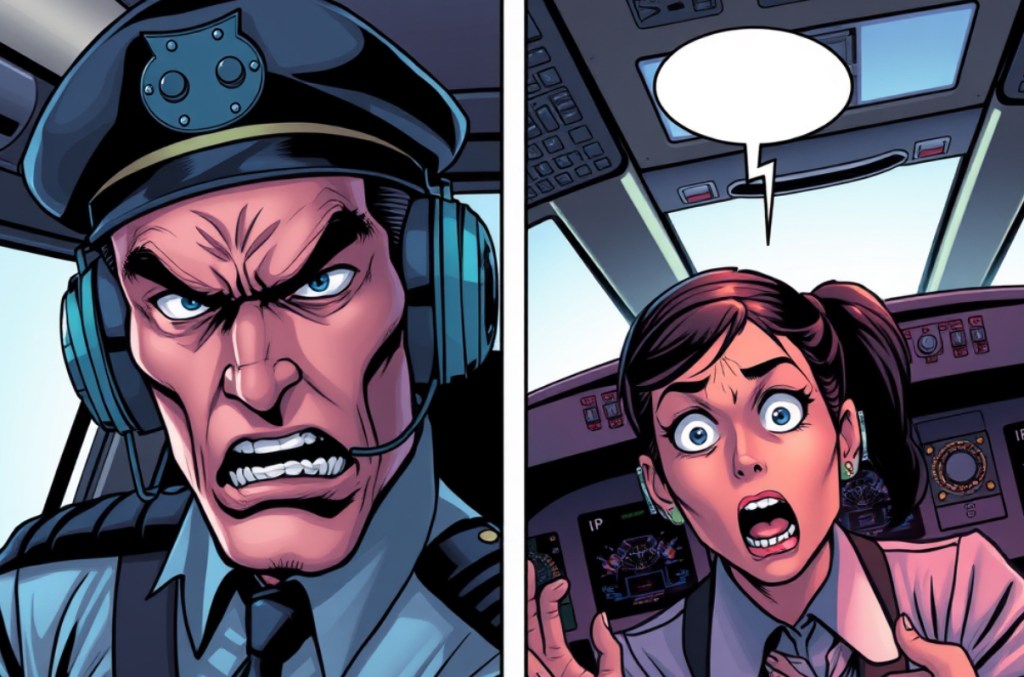
In modern aviation, Crew Resource Management (CRM) has revolutionized how cockpit and cabin crews interact, particularly in high-pressure and safety-critical situations. While procedures, checklists, and advanced technologies contribute significantly to flight safety, one element remains vital: effective communication. Despite standardized training, psychological barriers often hinder communication between flight attendants and pilots, sometimes with serious consequences.
At a recent aviation psychology forum, we conducted a poll to explore this issue. The question posed was: “What do you think is the biggest psychological barrier to effective communication between cabin and cockpit crews during safety-related situations?” The options included fear of judgment, perceived authority gaps, lack of assertiveness, role misunderstandings, and uncertainty. The responses revealed meaningful insights into the communication dynamics on board.

One of the most common barriers identified was fear of judgment. Many cabin crew members hesitate to report safety concerns to the cockpit due to worry about being dismissed or criticized. This hesitation often stems from prior experiences or a workplace culture that unconsciously prioritizes cockpit authorityo over collaborative input. In high-stakes environments like aviation, silence driven by fear can delay crucial actions and undermine safety.
Another significant factor is the authority gap and perceived hierarchy. The traditional chain of command in aviation puts pilots at the top, which is essential for clear leadership but can unintentionally discourage open dialogue. When cabinet crews/flight attendants feel they are “just there for service,” their willingness to speak up about operational or safety issues may decrease, even if their input could improve situational awareness.
Lack of assertiveness also plays a role. Assertiveness is not simply a personality trait, it’s a critical skill that enables crew members to express concerns with confidence and clarity. Without this skill, even highly capable crew might remain silent during urgent situations. Assertiveness training, therefore, should be a core part of CRM, empowering cabin crew to recognize their responsibility and right to speak up when safety is at stake.

Misunderstandings about each other’s roles further complicate communication. When cabin crew don’t fully understand the workload or priorities of the flight deck and vice versa, it leads to assumptions and missed opportunities for collaboration. This disconnect can be addressed through more integrated CRM training sessions that foster mutual understanding and build trust across roles.
These barriers matter because poor communication between cabin and cockpit crews doesn’t just affect teamwork, it affects safety. Delayed or withheld information can compromise a crew’s ability to respond effectively in emergencies. To overcome these barriers, airlines must promote a culture of psychological safety, where every crew member feels heard, respected, and valued.
In aviation, silence is not golden, it can be dangerous. That’s why addressing the psychological barriers to crew communication must become a priority. Building an environment of mutual respect, shared situational awareness, and open communication isn’t just good CRM, but an essential component for saving lives.
 A rose 🌹 a day...