
Let’s be real: working in the sky is equal parts battlefield and babysitting, all while maintaining red lipstick through decompression. Flight attendants / Cabin Crew aren’t just safety professionals; they’re walking case studies in human endurance and diplomacy.
However, every once in a while, a passenger does something that short-circuits the stress and lands straight in the soft spot of the crew’s heart.
Let’s unpack five of those golden behaviors, real examples included, and how they echo core human factors principles: cognitive workload, emotional regulation, stress mitigation, and team resource management (yes, even when the “team” includes row 28).
1. A Genuine Thank You (That Feels Like a Verbal Hug)
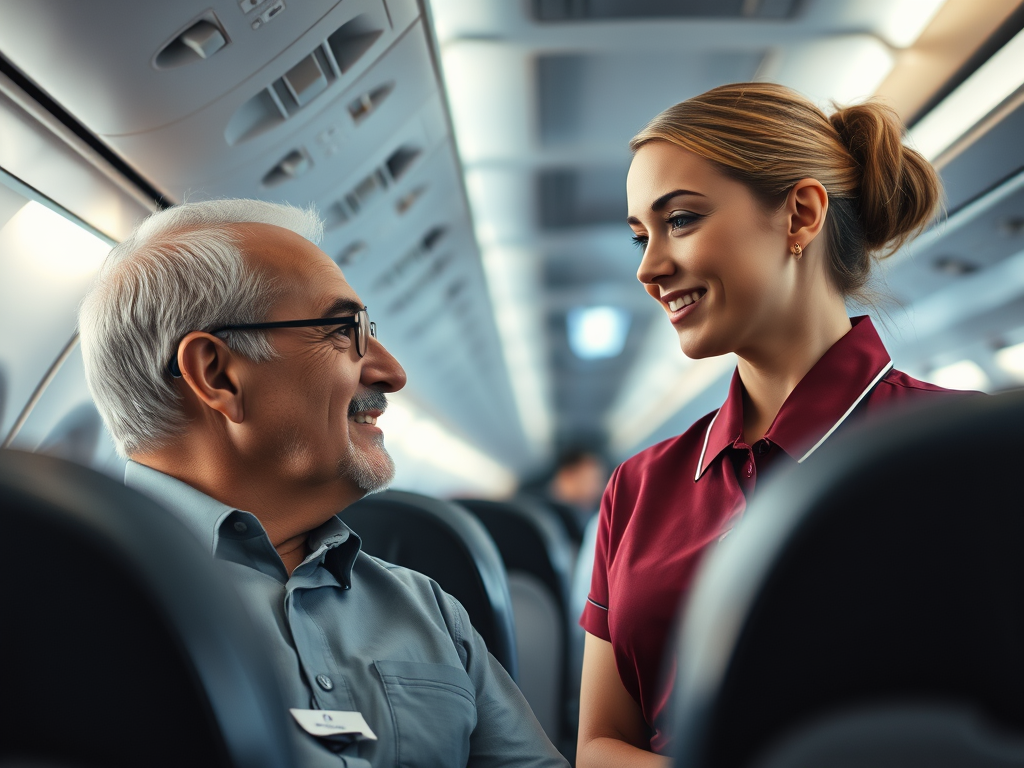
We’re not talking about the default “thanks” tossed over the shoulder while grabbing a carry-on luggage. We’re talking about someone who pauses, looks you in the eye, and says:
“You handled that really well. Thank you for looking after everyone today.”
Example:
A crew member on a night flight recalls a rough turbulence stretch followed by a difficult medical case mid-flight. After landing, an elderly woman touched her arm and simply said, “You took care of us when we didn’t know what was happening. Thank you.” She cried in the galley.
Human Factors Insight:
This moment directly supports emotional resilience and counters the effects of compassion fatigue, a phenomenon common in caregiving professions: yes, even airborne ones.
Research from the CAA and EASA shows that positive passenger interaction improves performance and focus, especially in the post-event phase of an in-flight incident.
2. The Passenger Who Helps Others (Not for the ’Gram)

They see a mum with a screaming infant trying to collapse a stroller while holding a boarding pass in her teeth. Instead of watching, they help. No theatrics. No selfie stick. Just pure, unsolicited human kindness.
Example:
On a Doha–Jakarta flight, a male passenger assisted a woman traveling solo with two toddlers. He carried her bag, held the baby while she folded the stroller, and even brought her extra tissues during the flight. No one asked him to. He just saw the need and acted.
Human Factors Link:
This aligns with the principle of Crew Resource Management (CRM), which is traditionally meant for cockpit crew but increasingly applied to the cabin. Passengers like this become unofficial teammates, offloading task burden and reducing the crew’s cognitive load in high-pressure zones such as boarding or disembarkation.
Bonus: it models prosocial behavior, which often leads to a ripple effect among other passengers.
3. The Passengers Who Don’t Wake You From Crew Break (Literally every crew member’s favorite)

You’ve finally snagged 30 minutes of rest to grab a bite and hydrate after speaking to 100 passengers, offering meals and what not, then, someone rings the bell. But not this hero. They see the curtain and think: “Not now.” They wait. They sip water. They survive. You love them forever.
Human Factors Tie-In:
This hits the core of Fatigue Risk Management Systems (FRMS). Adequate rest during long-haul flights is essential to maintaining situational awareness, judgment, and emergency responsiveness. Interrupting crew rest doesn’t just annoy, it potentially endangers flight safety.
So when a passenger respects that little break after a major service, they’re upholding a silent layer of operational safety.
4. The Treat Giver (First Responder with Snacks)

Sometimes it’s a candy with a warm smile. Sometimes it’s a box of Toblerone chocolates with a note that says, “For the hardworking crew” and “have a safe flight.” It’s not a bribe. It’s not transactional. It’s just kindness wrapped in genuine words.
Example:
A family on an Accra flight during Easter holiday handed each crew member a handwritten thank-you note with a mini chocolate bar during boarding. The note said, “Happy Easter.” This act of kindness will bring tears to every cabin crew’s eyes.
Why It Works: Psychologists refer to it as activated positive affectivity, boosting the crew’s mood, patience, and service performance.
From a human factors standpoint, such morale-lifting inputs improve team cohesion, reduce emotional wear and tear, and contribute to a resilient safety culture, even at 40,000 feet.
Also… sugar helps.
5. The Parent Who Actually Parents
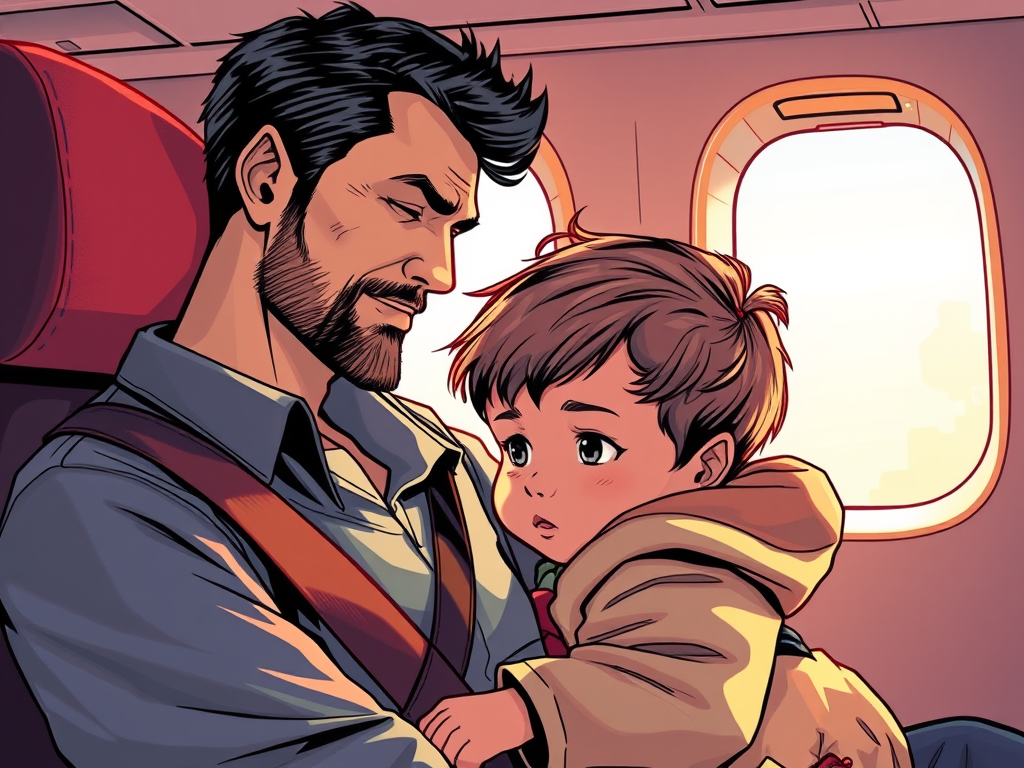
A well-behaved child is lovely but an engaged parent? A unicorn. They come equipped with toys, snacks, noise-cancelling headphones, and most importantly, a sense of accountability.
Example:
On a flight from Singapore, a mother apologized every time her baby cried. She bounced the baby in the galley, cleaned up spilled formula herself, and even handed the crew a “thank-you for your patience” note after landing. No crew member forgot her. Who would?
Human Factors perspective: This significantly reduces the emotional labor that crew must perform. Studies show that passenger behavior directly affects crew workload and interpersonal stress levels. Parents who manage their children reduce the frequency of in-flight conflicts, prevent disruptive events, and preserve limited crew energy for true safety-related tasks.
Final Call: The “Human” in Human Factors
These aren’t just feel-good stories. They’re moments where passenger behavior becomes part of the operational ecosystem. When someone chooses kindness, patience, or awareness, they’re not just making a crew member’s day, they’re actively contributing to flight safety and team performance.
In a steel tube full of egos, seat assignments, and recycled air, a little humanity can go a very long, long way.
Forever your crush love, The Cabin Crew ❤️
 A rose 🌹 a day...