
Jet Lagged & Dangerous: When Airlines Mistake Humans for Hardware

Somewhere in an office far from the tarmac, someone in a tailored suit says: “Let’s boost efficiency by increasing flying hours.”
Somewhere in a jumpseat at 40,000 feet, a cabin crew member is mentally flossing the last of their sanity, and the captain is blinking like a Windows 95 update.
Welcome aboard the Fatigue Express, where productivity climbs and safety quietly parachutes out the exit door.
Buckle up.
Fatigue is a Frequent Flyer

Fatigue doesn’t discriminate. Whether you’re wearing four stripes, red lipstick or a hair bun tighter than air pressure in the aft galley, fatigue is the silent killer at cruising altitude.
For pilots, it means degraded cognition, zoning out mid-ATC call, or misreading fuel data at 2:00a.m.
For cabin crew, it means mixing up allergies, forgetting simple safety procedures, or trying to smile through a mental fog thicker than in-flight chicken curry with polenta.
Fun aviation psychology fact: Being awake for 16+ hours has the same cognitive effect as being legally drunk.
Cheers? …Or not.
Passenger raises their hand, “But They’re Just Serving coffee…” Said No One Who’s Actually Worked a Flight
Let’s clear this up. Cabin crew aren’t airborne waiters. They’re first responders in heels, managing:
- Emergencies
- Medical issues
- Unruly passengers
- Infants, grandmas, people with peanut allergies and too many carry-ons
- And all this… while holding in pee for 10 hours straight
Now extend that shift by two hours, remove their rest period, and have fun watching your onboard safety culture dissolve like instant coffee in a turbulence-prone galley.
Still want that coffee?
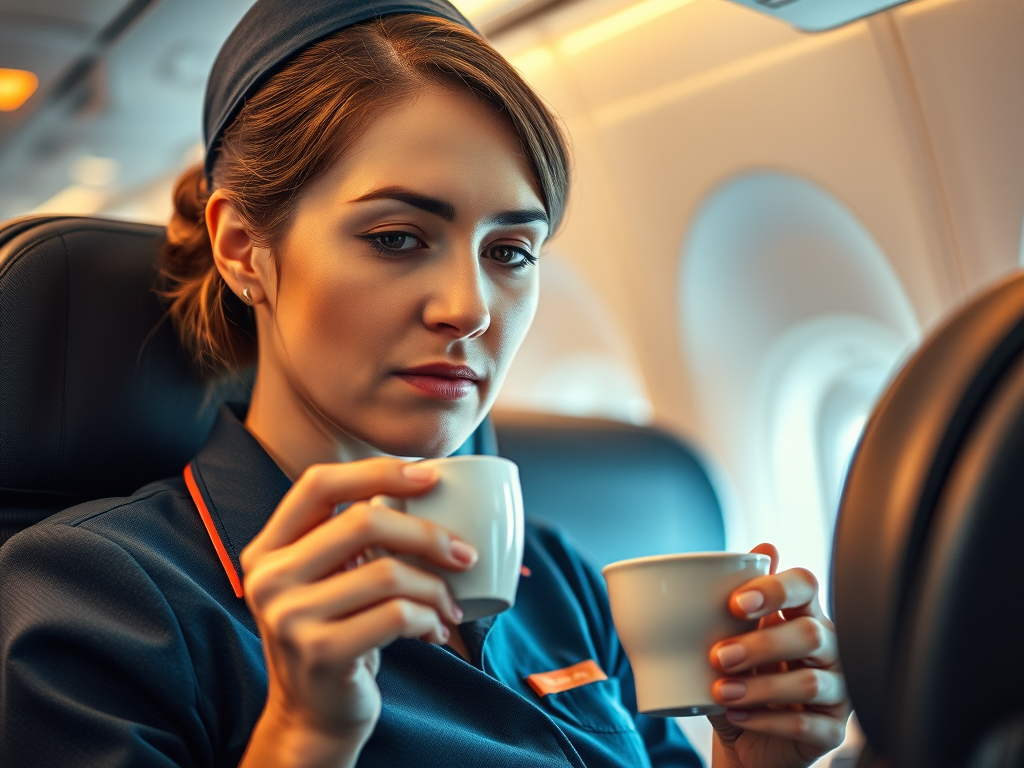
Jet Lag Hunger Games
Disrupted circadian rhythms? Check.
Sleep debt? Double Check.
Body clock so confused it thinks Doha is dinner and Tokyo is Tuesday? Triple check.
Longer hours wreck your hormonal balance, immune system, and emotional regulation. The crew might look calm, but inside? Yo! That’s one missed meal away from an existential breakdown mid service.
Pilots: slower decision-making, higher risk of error.
Cabin Crew: reduced empathy, increased irritability, and a higher chance of yelling at a curtain when the lavatory door gets broken.
Again!
Safety Is Not a Spreadsheet KPI
Fatigued pilots miss radio calls. Cabin crew skip cross-checks. Passengers get ignored when pressing call bells like they’re ordering at a drive-thru. Safety, the sacred heart of aviation begins to look a little… undercooked.
Let’s not forget:
- Colgan Air 3407: Fatigue.
- Korean Air 8509: Fatigue.
- That time your crew forgot to arm doors? Probably fatigue.
CRM = Crew Rest Matters
We Crew Resource Management (Actually the true meaning). However, let’s be honest pipo. It is challenging “managing resources” when your brain is buffering and your crew colleague just cried over running short of a meal preference.
Fatigue affects attention, communication, cognition, cooperation and assertiveness, especially for cabin crew who often feel the pressure to stay “charmingly pleasant” while dealing with inner and outer chaos, cramps, detachment and caffeine withdrawal.
Add more hours, and you don’t just break the body, you break the team.
CRM Sabotage.
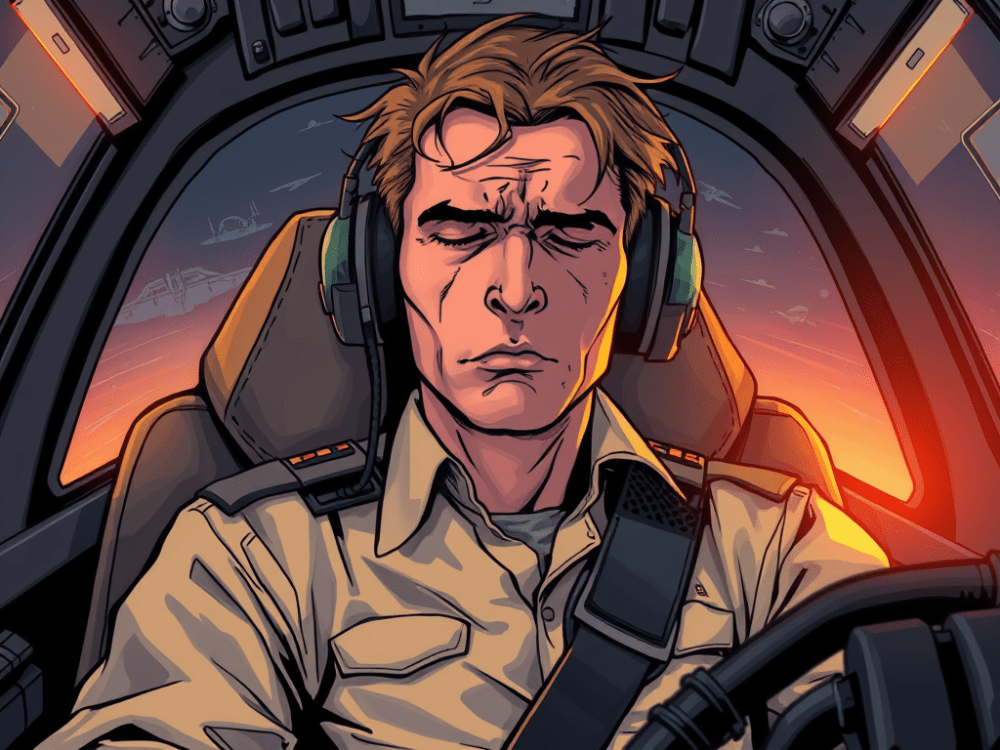
Safety Isn’t a Mood Board
Aviation regulators aren’t killing your vibe when they limit hours. They’re saving your backside pipo.
You know who doesn’t care about profit margins? Gravity. Yep!
Crew duty limitations exist for a reason: to keep alert humans in control when things go haywire from decompression to fire, medical, turbulence, diversions, you name it. Ain’t nobody wanting “exhausted-but-cute” making those phonecalls.
You want trained, rested, calm professionals. Not zombies in polyester uniforms.
Morale? Consider It Decomposed
Cabin crew love their job, but even passion has a breaking point.

Longer hours mean missed birthdays, delayed recovery, fewer days off, and a growing desire to chuck the PA system out the nearest overwing exit. Add social media abuse, demanding passengers, and no rest, and you’ve got a turnover tsunami waiting to happen.
For pilots, the situation isn’t better either. When your career dream starts to resemble a chronic fatigue study, the autopilot isn’t the only one disengaging. It’s you too.
Now, What Should We Be Doing Instead?
If you’re still wondering how to keep operations running without treating humans like humanoid drones, try this:
- Use Fatigue Risk Management Systems (FRMS), not guesswork
- Rotate crew smarter, not longer
- Invest in predictable rostering and proper layovers
- Let cabin crew have inflight rest as pilots, not just limited for long haul flights.
- Treat crew like aviation professionals, not pretty airheads or disposable plug-ins.
Final Descent
Flying should be safe, not just efficient. Passengers trust their lives to the human professionals on board. However, if you push those humans past their limits, don’t be surprised when safety silently taxis off the cognitive runway.
Fatigue isn’t just a buzzword. It’s a human factor risk multiplier. And, Yea! AND, when pilots and cabin crew are running on fumes, all it takes is one small mistake to turn a smooth flight into a serious incident.
So to every airline executive tempted to “just squeeze in one more sector”:
Try doing it on 3 hours of sleep, at 3:00a.m., while managing a medical emergency and a child vomiting in your shoe. Then we’ll talk.
Not a great sight at all.
Till next time… Cheers!
 A rose 🌹 a day...