
“Greetings sir/madam, welcome onboard!”
“Good morning ladies and gentlemen. This is your captain speaking!”
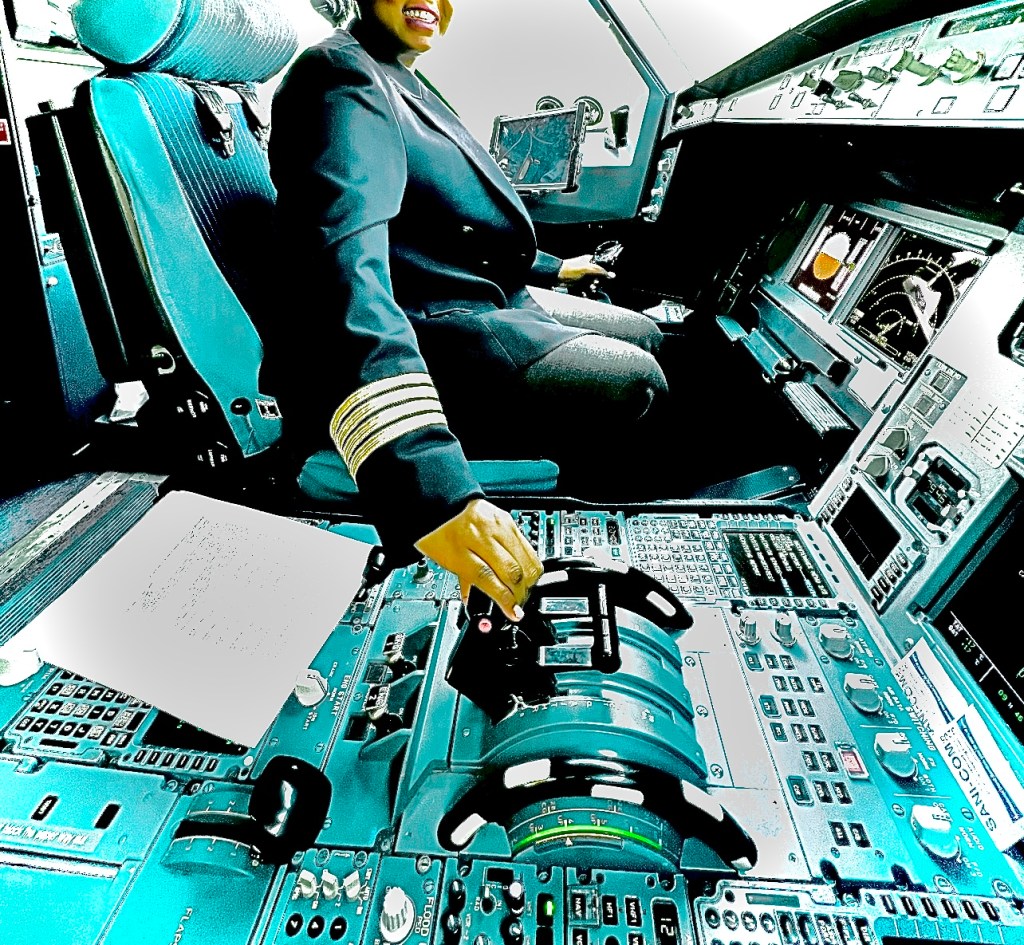
Passengers get hot towels, drinks, blankets, and a kind voice reassuring them that turbulence is “a perfectly normal experience.” However, what about those serving the drinks or flying the aircraft? Who’s making sure they’re really okay be it mentally, emotionally, and physically?
Welcome to the often-overlooked world of mental health in aviation, where the people keeping you safe at 41,000 feet might be quietly battling with fatigue, insomnia, stress, burnout, and pressure that makes a midair coffee spill look like a walk in the clouds. Literally!
We like to think of airline crews as superstars: pilots with nerves of steel and cabin crew who can calm a screaming baby suffering from blocked ears and nose due to pressure changers, extinguish an oven fire, and land a tray of Gin and Tonic with finesse during turbulence without spilling even a drop, all while smiling. Even so, behind the crisp pressed uniforms and eloquent rehearsed welcome and inflight announcements is a reality that’s far less glamorous and far more humanly relatable.
Let’s start in the deck crew. Pilots are responsible for safely operating a machine that weighs as much as the balance in my bank account, and costs more than most small countries’ GDP. No biggie, correct? Add in long hours, jet lag, messed up circadian rhythms, time zone chaos, chronic fatigue, and the weight of responsibility for hundreds of lives, and you’ve got the perfect cocktail for psychological strain and mental torture. Worst part? Admitting to mental health issues can feel like admitting you’re unfit to fly, which, in aviation, is basically career kryptonite. Ouch!
Now stroll back to the cabin. Cabin crew might not be steering the plane, but they’re the first responders in the sky, and are trained to handle medical emergencies, unruly passengers, panic attacks, are safety and security officers, and the full spectrum of humanity trapped in a pressurized metal tube. The smile they give you while handing over a meal, drink or light snack might be hiding exhaustion, homesickness, or the twelfth consecutive night spent sleeping in an airport hotel with blackout curtains and an existential crisis. Not to mention L, when your inflight entertainment is not working, and onboard WiFi has failed, they become the source of entertainment to more than 400+ passages; depending on aircraft capacity, flight book-load among other factors.
Yet for years, the mental health of airline staff has flown largely under the radar. Why? Because aviation culture has long valued toughness, back to back schedules, professionalism, and the ability to perform under pressure without blinking an eye. There’s pride in that, (Yeeey! Superman/woman!) Sure, but also a great cost accompanies that work routine. Stigma, fear of judgment, and a lack of confidential resources have kept too many pilots and cabin crew to keep mum, even when they’re struggling in silence.
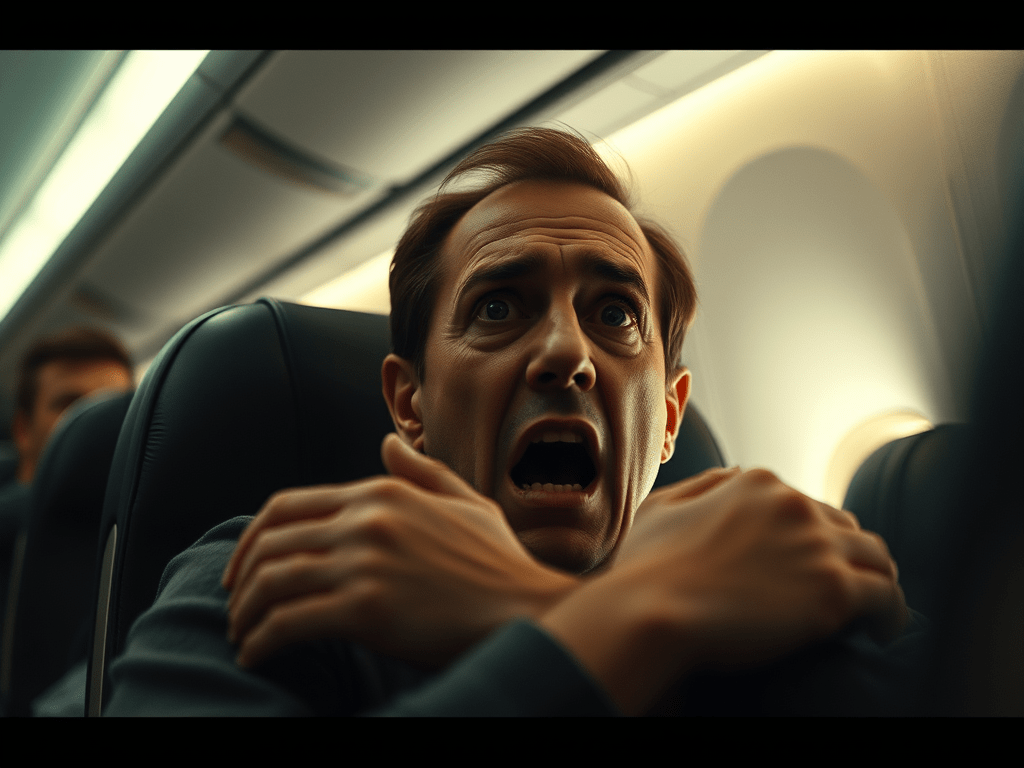
The winds, however, are beginning to shift. Airlines and regulatory bodies are slowly waking up to the fact that wellness isn’t a luxury but a safety concern. Programs offering confidential counseling, peer support, and mental health training are becoming more prevalent, though the industry still has plenty of altitude to gain.
Why, you wonder? Here’s the truth my dear: aviation professionals are superheroes, but aren’t robots. They’re not immune to fatigue, depression, anxiety, grief, burnout, or loneliness. And expecting them to perform efficiently while pretending they’re unaffected by stress is like asking someone to serve coffee during a hurricane without spilling it, or acknowledging the incoming storm.
So the next time you board a flight, take a moment. That calm voice from the flight deck during a welcome announcement? That flight attendant helping a nervous traveler breathe through takeoff while strapped on their jumpseat? They might be holding it together better than they feel. The least we can do is support an industry culture where it’s okay for them to speak up, seek help, confide, show vulnerability, get support, empathy, and feel human.
After all, we rely on them for a safe and smooth sky to take us from point A to B and sometimes Z for those with multiple transits.
It’s time we made sure they’re flying clear too. After all, we are in this metal machine together for the next several hours, floating in the sky while moving as if we are competing with the speed of light.
 A rose 🌹 a day...