
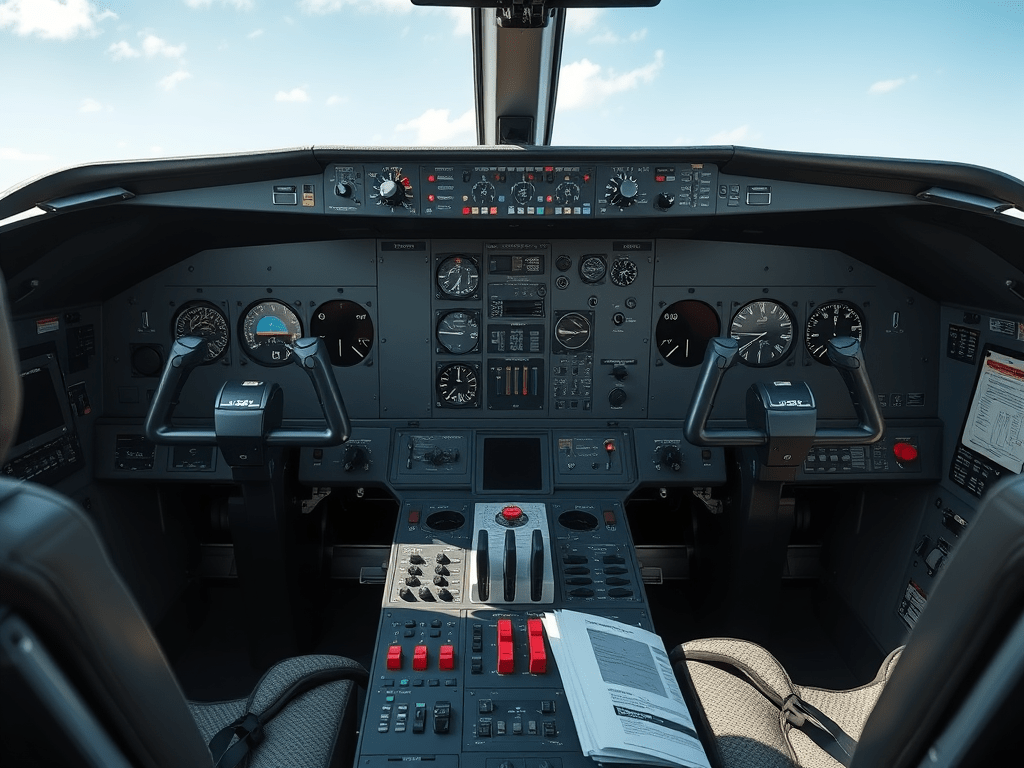
The next time you’re sitting in a window seat, sipping your orange juice and silently judging the person in front of you for reclining their seat too quite soon, take a break for a moment and consider the human at the front of the plane, the one with more than 130 tons of aircraft, and your life in their hands.
No pressure, yet?
Think of the thousands of buttons inside the cockpit, press one wrong button and… You don’t like the image playing in your head right now, I believe.
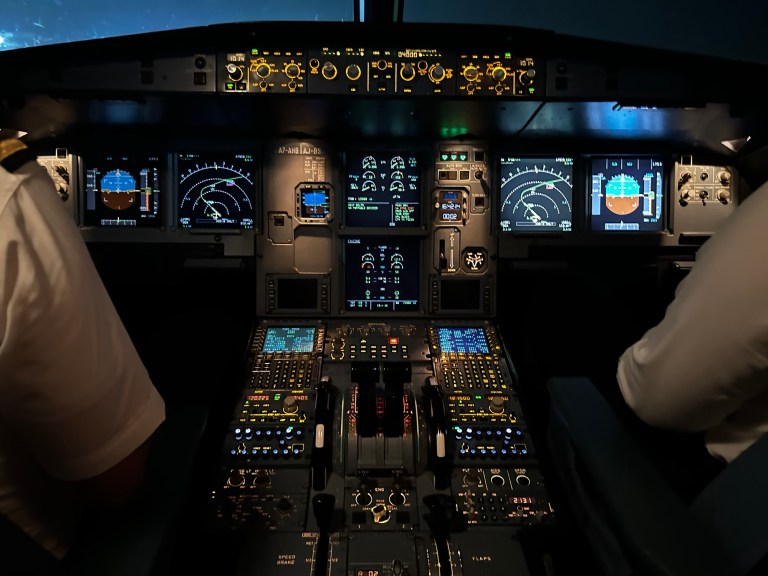
Pilots are often painted as the epitome of calm competence. They’re the dashing superheroes of the clouds, immune to stress, forever confident, and always just one cool pair of aviators away from a Top Gun sequel. However, behind that cockpit door, beyond the checklists, the aviation jargon, and the autopilot, sits human beings who might be juggling far more than crosswinds and mare radio chatter.
Let’s talk about something the in-flight magazine won’t mention: pilot mental health.
Despite being entrusted with enormous responsibility, pilots often exist in a culture where showing vulnerability is considered more dangerous than a bird strike. Imagine seeing a panicked pilot mid flight. Yea, I don’t like it either.
Pilots are trained to manage emergencies, but not always their emotions. They’re taught to calculate fuel loads, but not how to efficiently offload stress. While aviation has made huge strides in safety tech, conversations around mental well-being are still taxiing along an endless runway.
Now, we get it. No one wants to hear that the person flying their plane might be going through a tough time. We like our pilots well-rested, well-adjusted, well-dressed and preferably with a voice that sounds like Morgan Freeman, calm, gentle and composed. But, here’s the plot twist: pilots are human, and pretending otherwise helps no one at all.
The mental strain of flying professionally isn’t just about the odd red-eye or rerouting through unexpected weather. It’s about long hours, irregular sleep, irregular work schedule from a 30 minute flight (Including taxi time) to an 18 hour nonstop duty time. Not to mention, being away from family, constant performance pressure, and the unnerving reality that a single mental misstep could have major catastrophic consequences, or at the very least, a career-ending forever investigation. That’s a heavy burden to carry at a cruising altitude of 40,000 and above. In fact, at any cruising altitude.
Yet, despite growing awareness, many pilots suffer in silence. Why? Because of fear, fear of losing their hard earned license, being grounded, or being labeled “unfit to fly.” Mental health disclosures are often met with bureaucracy instead of support, leading a number of aviators to bottle things up tighter than the beverage cart.
The good news? Change is happening, albeit at a slow taxi speed. Progress is still progress. Airlines and aviation authorities are beginning to recognise the importance of a continuous proactive mental health support. Peer support programs, confidential counseling, and efforts to destigmatize therapy are becoming more common. The future may actually include flight crews who are encouraged to check in on themselves as often as they check their instruments, crew and passangers.
So the next time you’re nervously glancing at the “Fasten Seatbelt” sign while the plane wobbles slightly, remember: the person flying the aircraft, autopilot or not, is not just a well-trained professional, they’re an individual, possibly dealing with stress, fatigue, jet lag, PTSD or even anxiety, just like you.
Let’s normalize a future where “fit to fly” means mentally, emotionally, and physically fit. Because when the pilot’s well-being is protected, everyone’s flight is safer. And maybe, just maybe, your next flight will come with more than grasinni and bruschetta. Like a system that actually supports the people flying the plane.
Till next time…

