
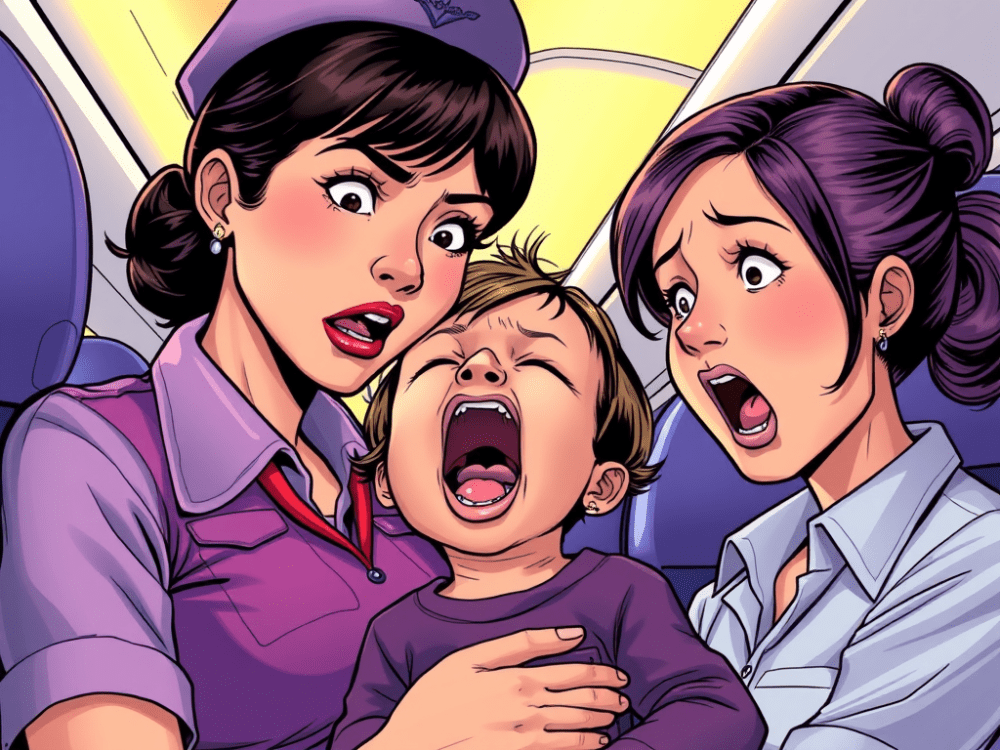
You think your job is stressful? Try serving Diet Coke with a five star smile while someone seated at 40B goes into cardiac arrest, and you still have five more rows to go before the chicken teriyaki -or-pasta rigatoni showdown.
Welcome to the high-stakes, high-altitude world of flight attendants, where the uniform says “personalised hospitality,” but the training manual says “first rescuer in heels.”
Let’s set the scene: You’re halfway through beverage service, expertly navigating elbows, protruding legs, tray tables, and toddlers trying to get your attention when suddenly, ding-dong! You’re summoned towards an emergency. A passenger has collapsed. No pulse detected, they are turning blue or darker, and no response detected. The cabin gasps. The inflight entertainment pauses. You drop your champagne bottle and flute mid-pour and snap into precised action, because surprise-surprise! Your real job isn’t meals and smiles, it’s saving lives while dodging turbulence, unruly passengers and coffee carts.
Here’s what nobody talks ever about: what actually happens afterwords. Not to the passengers ofcourse since they normally go back to their seat warmers and mystery movies while munching a movie snack, but to you, the crew member who just performed CPR in a flying tube with 300+ total strangers and zero emotional legroom.
Adrenaline Is Not a Lifestyle Indeed
In that emergency moment, your body goes full action movie: heart pounding, focus laser-sharp, palms sweating like you’re in the final round of The Great British Bake Off. That’s your fight-or-flight system, and it does its job well. You act, you respond, you stabilise…or try to. When everything is over, you look around like, “Did that really just happen?” “Did I really to all that?”
Spoiler Alert: it did, and yes you did. While you continue to wonder, your nervous system is still throwing a party, your cortisol is on the dance floor, and your adrenaline won’t stop DJing. Yet, you’re somehow expected to go back to asking who wants ice with their soft drink?”
Smile, Nod and Mentally Fall Apart Later
Flight attendants are trained to suppress emotions, because if you start crying mid-aisle, people panic. So you push it down. You put on your best customer-service face, and boom! You’re back in business. Even so, let’s be clear: this is called emotional compartmentalisation, not magic. It works in the moment, just there and then. Long-term? Not so much.
Suppressing trauma is like putting your carry-on luggage in the overhead bin. Maybe it will fit, until it doesn’t. Unprocessed stress shows up later, usually when you’re off duty, in the form of insomnia, anxiety, or thinking about seat 28D every time someone orders a a glass of champagne.
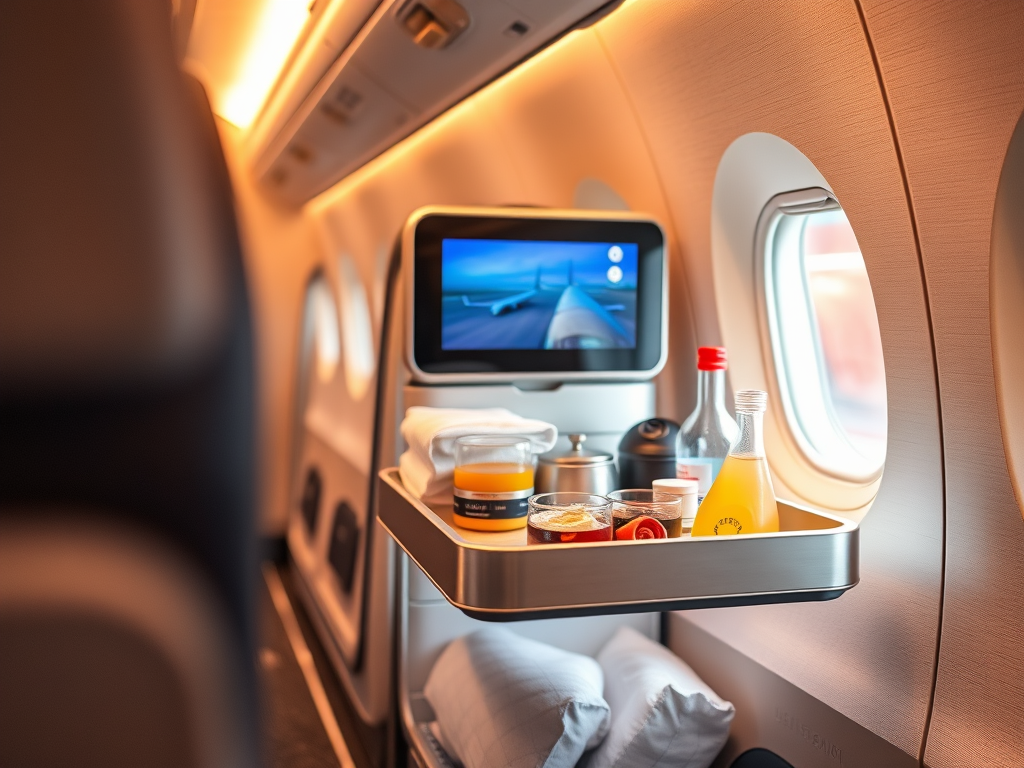
When the Outcome Isn’t Happy Ending with Applause
Sometimes, the emergency doesn’t end with a pulse and high-fives. That’s when things really get heavy. You start wondering: “Did I miss something important?” “Could I have done more?” Another emotion enters the stage: guilt. It’s a sneaky little stowaway that loves to hitch rides in your head in the most ominous of times.
But, here’s the twist: regardless of the traumatic incident, you’re still expected to finish the flight. Maybe hand out some blankets, pillows and headsets. Maybe clean up a spill and begin preparing for the main services. Maybe deliver the bad news that yes, we did run out of the popular chicken teriyaki option again. All while your brain is processing a literal life-or-death event with zero access to a therapist, or even a quiet corner to hide and breath. Where can you hide anyway inside a tube with curious passengers around?
So, Who Checks In on the People Who Check In on Everyone Else?
For years, the answer was: basically no one. Talking about mental health in aviation used to be like admitting you’d forgotten how to operate the door hence facing instant judgment and a potential career risk.
However, things are slowly changing. Airlines are beginning to introduce peer support programs, confidential counseling, and mental health training that doesn’t just say, “Take a breath, suck it in and walk it off.” Still, the stigma lingers. Many crew members keep their emotional bruises hidden behind perfect posture, well pressed uniform and professional charm.
Let’s Get Real
Flight attendants aren’t emotional vending machines. They’re highly trained, jet lagged, under-rested, multitasking lifesavers who also know how to make a gin and tonic look elegant during a turbulence weather. They’re also human who absorb stress, trauma, and grief in real-time without much room to unpack or offload it.
So the next time you board a flight and marvel at how cool and calm the crew seems, remember: they may have just helped save a life at cruising altitude, and still managed to bring you rice crackers, movie snacks or pretzels with a smile.
Maybe don’t complain about the legroom.
Till next time…

